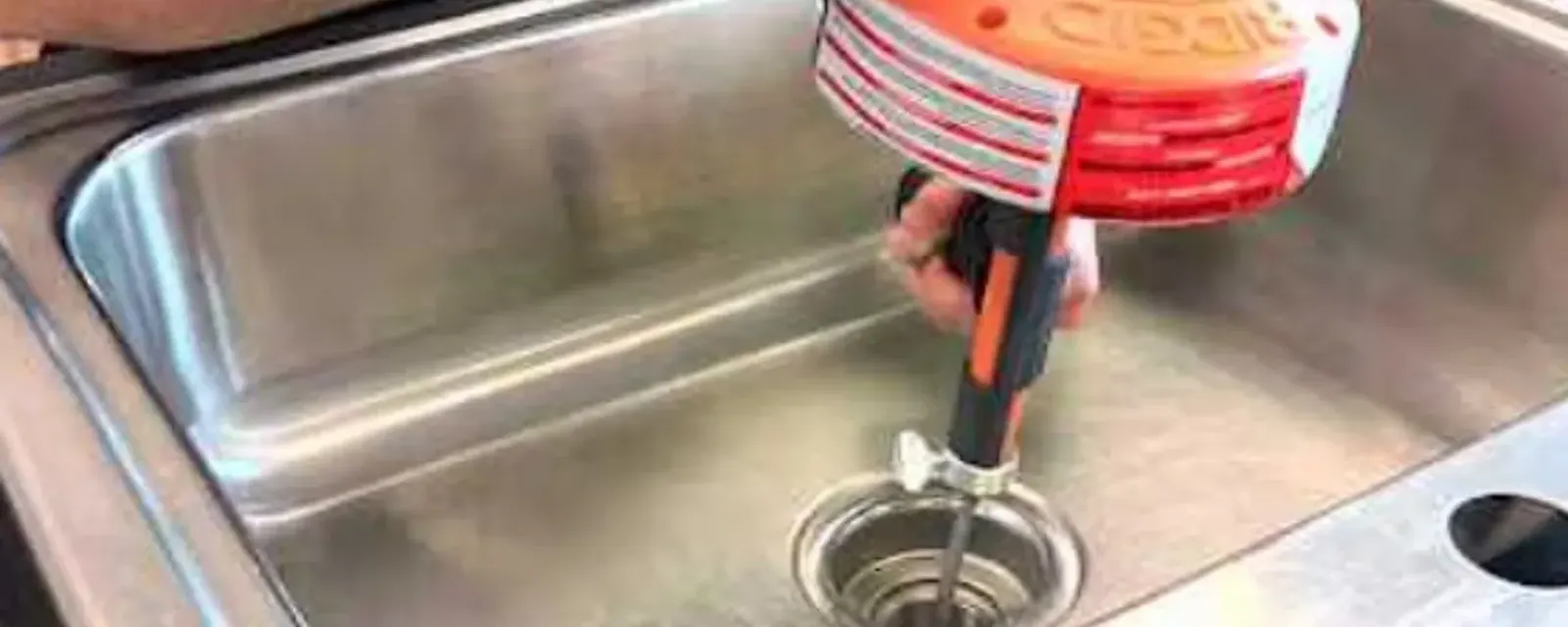
A small amount of sand in a drain can seem harmless. It is not. Sand is heavy and does not dissolve. In a drain line, it drops out of the flow wherever water slows down, such as in a trap, at a bend, in a low spot or in a pipe with a belly. Over time the pile grows and catches hair, grease and paper.
Where drain sand comes from
Remodel and construction dust
Grout, plaster and cement debris washed into drains.
Washing sandy items
Beach gear, kids' toys, pet paws and dirty clothes.
Garden and yard runoff
Sandy soil washed into yard drains.
Sand filters and aquariums
Spent media that gets rinsed into a sink.
Broken or old pipe
Soil and sand entering through a crack or open joint.
Signs of sand in the line
- Gritty residue in the sink trap or in the bottom of a tub.
- Drains that clear briefly and then slow again.
- Gurgling that comes and goes.
- Clogs that return after plain snaking.
- Soil or grit visible on a camera inspection.
Finding grit in your drains?
Call and tell us which fixtures are slow.
Why snaking does not always fix it
A drain cable punches a hole through a blockage. With sand, that leaves most of the pile behind, and the hole fills again. Hydro jetting uses high-pressure water to move the sand out of the line and is often the better tool. Our hydro jetting page explains how it works, and drain cleaning covers snaking and when each is used.
If sand keeps coming back
Recurring sand suggests a source you may not see. A cracked pipe or an open joint can let soil in. A camera inspection shows whether the line is breached and where. Our sewer camera inspection page describes what it reveals, and sewer line repair explains the options if the pipe is damaged.
Prevent it
- Rinse sandy items outdoors, not in a sink or tub.
- Use a drain strainer during remodels and do not rinse tools in indoor sinks.
- Clean out yard drains and keep covers in place.
- Dispose of old filter media in the trash.
- Have a camera inspection if sand appears without an obvious source.
How sand builds a clog
Moving water carries sand along until the flow slows. At a trap, a bend or a junction, the sand drops out. The first few grains do nothing. Over weeks, they form a bed. Hair, grease and paper catch on the bed and start to narrow the opening, and once the opening shrinks, flow slows further and drops more debris.
The result is a clog that looks like a hair or grease problem but has a sand foundation. If you pull the trap and find gritty residue in the bottom, that is a strong sign.
What not to do
- Do not pour chemical drain cleaner into a line with sand. It will not dissolve it, and it can damage pipes and burn skin.
- Do not run a garden hose at full blast into a cleanout to push a clog along. The sand may move to a worse spot.
- Do not keep snaking the same line every month without asking why. A recurring clog has a cause.
- Do not wash sandy items in a kitchen sink or tub.
- Do not ignore gurgling after a remodel or heavy rinse of tools.
What a plumber does differently
A plumber starts with a camera when sand is suspected, because the camera shows where the bed sits and whether the pipe is breached. Hydro jetting then flushes the line, moving the sand to a point where it can be removed. After cleaning, a second camera pass confirms the line is clear and shows whether a defect is letting soil in.
If the camera finds a belly where sand will collect again, the lasting fix is to correct the low spot. Cleaning treats the symptom. Our sewer line repair page explains the repair options.
Sand and the rest of the plumbing
Sand does not only affect drains. It wears out faucets and valves, scratches the seats of toilet fill valves and clogs aerators and washing machine inlet screens. If sand is reaching your supply side, for example after a water main repair or a new line connection, flushing the lines and cleaning the screens usually clears it.
Cleaning an aerator is a simple task. Unscrew the tip of the faucet, rinse the screen under running water and put it back. If sand keeps appearing at the tap, tell the water utility, because it may indicate work or a disturbance in the system near your address.
When to call a plumber
Call if more than one fixture is slow, if a drain gurgles or if the problem returns after you clear it. Those are signs the blockage is in a shared line rather than a single trap. Our drain cleaning page describes how we approach stubborn clogs.
A quick self-check for a gritty trap
Place a bucket under the sink trap, unscrew the slip nuts and let the trap empty. Rub a little of the residue between your fingers. Sand feels gritty and does not smear, while grease feels slick and hair feels stringy. If you find grit, rinse the trap thoroughly outdoors and reassemble it with the washers seated flat.
That check costs nothing and tells you which problem you have. If the trap is clean and the sink still drains slowly, the blockage is farther down the line.
Sand, soil and drains in Monterey Park
Many Monterey Park lots are small, and yard drains and downspouts often tie into areas where soil and sand wash in during rain or irrigation. Keeping covers on yard drains and cleaning out catch basins reduces what reaches the lines.
Sewer laterals serve everything from older houses near the historic Midwick View Estates to condominium and townhome buildings, and where the private line ends and the public sewer begins varies by property. We do not state it here, so ask the City of Monterey Park's Public Works department which portion is yours. For a problem in a shared building line, notify your HOA or property manager.
Questions about sand in drains in Monterey Park
Yes. It does not dissolve and settles in low spots, where it catches other debris.
No. Chemical cleaners do not dissolve sand and can harm pipes.
Often yes, because it flushes the line rather than punching a hole through.
A camera inspection can show whether the pipe is letting soil in.
It depends on where the blockage is. Ask Public Works which part is yours.